Colorado State UniversityDepartment of BiologyGoogle Scholar ↗
Reddy Lab Plant signaling and RNA biology

Calcium Signaling
Pre-mRNA Splicing
Epitranscriptome
Plant Biotechnology

Journal and Book Covers

Covers Featuring Our Research

Human life depends on plants. Every breath we take and every bite we eat begins with one.

Arabidopsis thaliana

Sorghum bicolor

Oryza sativa

How plants decode calcium signals and remodel their transcriptomes in response to their environment

Calcium signaling
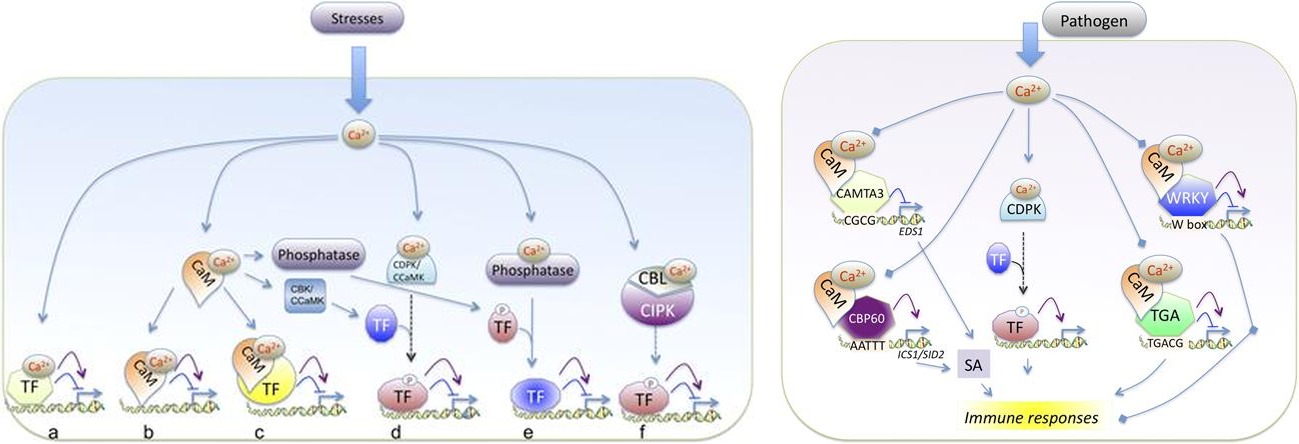
Calcium signaling. Left: stresses raise cytosolic calcium, which regulates transcription factors directly or through calmodulin, CBK/CCaMK, CDPK/CCaMK, phosphatases and CBL–CIPK (routes a to f). Right: pathogen-induced calcium signals act through calmodulin-binding CAMTA3, CBP60, WRKY and TGA transcription factors and through CDPKs to control salicylic acid and immune responses.

From Reddy et al. (2011) Plant Cell 23:2010–2032

Pre-mRNA splicing
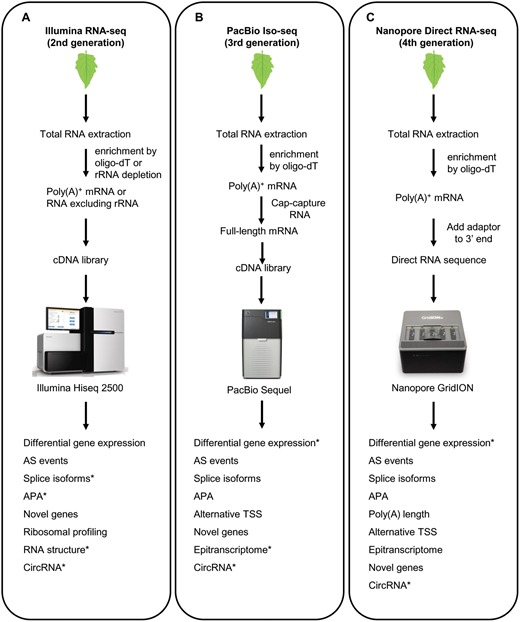
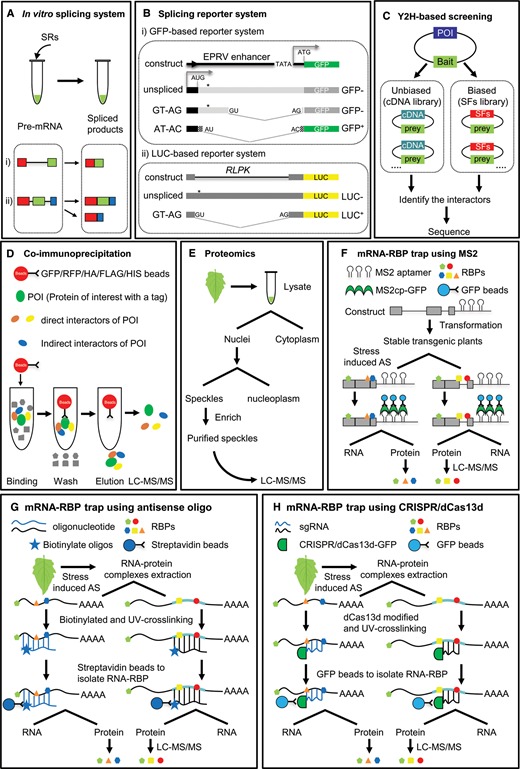
Profiling transcriptomes and splicing: Illumina RNA-seq, PacBio Iso-seq and Nanopore direct RNA-seq workflows and what each can detect Approaches to study splicing regulators: in vitro splicing, splicing reporters, yeast two-hybrid screening, co-immunoprecipitation, speckle proteomics and mRNA–RBP trapping methods

From Reddy et al. (2020) Biochemical Society Transactions 48:2399–2414

Metabolic engineering of plants to produce high-value compounds
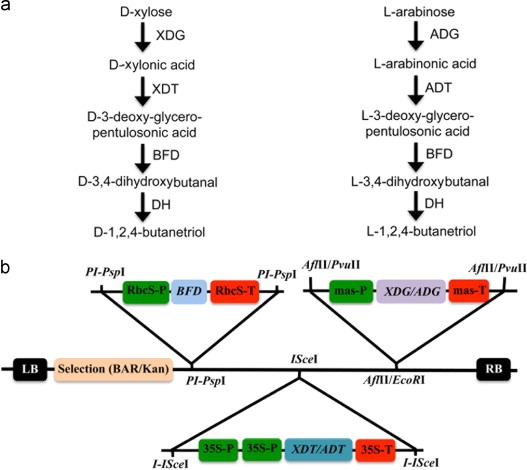
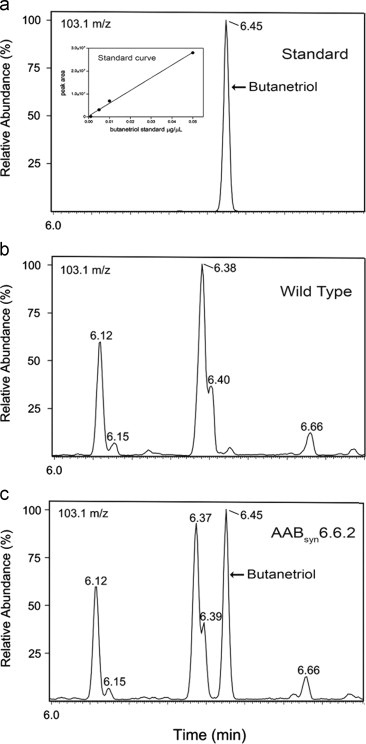
Engineered pathways converting D-xylose and L-arabinose to 1,2,4-butanetriol, and the multigene construct used to express the bacterial enzymes in plants GC-MS chromatograms of butanetriol standard, wild-type plants and an engineered line producing butanetriol

From Abdel-Ghany et al. (2013) Metabolic Engineering 20:109–120

We study calcium/calmodulin-mediated signaling, pre-mRNA splicing and the epitranscriptome in plants, integrating molecular genetics, cell biology, biochemistry and machine learning tools to understand how plants grow, perceive their environment and withstand stress.

Research

Research statement

Overview

Plants are sessile and must continually sense and cope with changes in their environment. Our laboratory investigates two layers of regulation that link perception to response: calcium/calmodulin-mediated signal transduction and post-transcriptional control of gene expression through pre-mRNA splicing and the epitranscriptome.

We combine genetics, biochemistry and cell biology with single-molecule long-read sequencing and machine learning to map transcriptome complexity, understand regulatory genomics across model and cereal crop species, to identify the cis-elements and trans-acting factors that govern splicing, and to define how stimulus-specific Ca²⁺ signatures are decoded by calmodulin and its targets to reprogram gene expression.

Theme 1 · Calcium signaling

Decoding Ca²⁺ signatures through calmodulin and its targets

We identified calmodulin-binding transcription factors (CAMTAs/AtSRs), kinesins and metabolic enzymes that connect Ca²⁺ transients to growth, immunity and abiotic stress responses, including Ca²⁺/calmodulin control of salicylic-acid-mediated immunity.

  • Calmodulin-binding proteins and CAMTA/SR transcription factors
  • Ca²⁺-regulated gene expression under biotic and abiotic stress
Calcium signaling papers →
Theme 2 · Pre-mRNA splicing

Alternative splicing and the plant splicing code

We study serine/arginine-rich (SR) and SR-like proteins such as SR45, their autoregulation and interactions with the spliceosome, and we use long-read sequencing to reveal the extent and stress responsiveness of alternative splicing in Arabidopsis, sorghum and other crops.

  • SR proteins, splicing regulatory elements and the splicing code
  • Co-transcriptional splicing and nuclear speckle dynamics
  • Isoform-resolved transcriptomes of crops
Splicing papers →
Theme 3 · Epitranscriptome

The plant epitranscriptome

Using nanopore direct RNA sequencing, we profile N⁶-methyladenosine (m⁶A) modifications together with splicing, polyadenylation and transcription start sites on full-length molecules, to understand how modifications coordinate RNA processing.

  • m⁶A writers, readers and erasers in plants
  • Crosstalk between the epitranscriptome and splicing
Epitranscriptome papers →
Theme 4 · Computational genomics

Machine learning for regulatory genomics

In long-standing collaboration with computer scientists, including Asa Ben-Hur (Department of Computer Science, Colorado State University), Lianfeng Gu (Fujian Agriculture and Forestry University, China) and Runxuan Zhang (James Hutton Institute, UK), we develop machine learning approaches, including deep learning tools, to predict gene regulation, splice sites, splicing regulatory elements, calmodulin-binding sites and epitranscriptomic marks from large nucleic acid sequence datasets.

  • Splicing code and isoform prediction
  • Long-read transcriptome assembly and annotation
Computational papers →
Theme 5 · Plant biotechnology

Engineering plants for agriculture and industry

We translate basic discoveries into tools and traits: betalain-based RUBY visual reporters that allow noninvasive monitoring of gene expression and splicing in living plants, metabolic engineering of Arabidopsis to produce platform chemicals such as phloroglucinol and butanetriol, disease-resistant transgenic potato and herbicide resistance through an auxin coreceptor mutation, and exploiting natural splicing variation for crop improvement.

  • RUBY visual reporters
  • Metabolic engineering for high-value products
  • Disease and herbicide resistance
Plant Biotechnology papers →
Science as Art